Botox has been around long enough that almost everyone has a friend or colleague with a story. Some share a quiet win, like softer frown lines that no one can quite place. Others recall a heavy brow after a poorly planned session. The difference rarely comes down to luck or a magical product. It almost always comes down to customization: your anatomy, your goals, and your injector’s judgment, translated into a thoughtful plan. A customized botox treatment can look subtle or transformative, but it should always look intentional.
I have treated patients who hated their deep number 11 lines but feared a frozen forehead. I have worked with marathoners whose fast metabolism made their botox wear off sooner, and with first time botox patients who simply wanted to test the waters with baby botox. Personalizing your results begins long before the needle touches skin. It starts with a precise map of your facial muscles, a conversation about your lifestyle and work, and clarity on how you define natural looking botox.
What botox is, and what it is not
Botox Cosmetic is a purified neuromodulator that temporarily reduces muscle activity at the injection site. It softens dynamic wrinkles - the lines that appear when you frown, squint, or raise your brows. Think forehead lines, frown lines between the eyebrows, and crow’s feet. It does not fill, lift, or replace lost volume, so it is not a substitute for fillers in areas like the cheeks or nasolabial folds. When patients ask about botox versus fillers, the simplest distinction is movement versus volume. Botox relaxes muscle to smooth movement-driven lines. Fillers restore structure.
Therapeutic botox is a close relative and can be used medically for migraines botox treatment, eyelid twitching, and hyperhidrosis botox treatment for underarm sweating or palms. The formulation is similar, but dose and injection sites differ because the goals differ. In cosmetic use, precision and restraint create natural adjustments to expression. In medical use, higher dosing and broader coverage sometimes come into play.
Why customization matters more than units
People love numbers, so questions like how many units of botox for forehead or how many units of botox for frown lines come up early. Typical ranges exist. Many foreheads need 8 to 20 units, glabellar frown lines often take 12 to 24, and crow’s feet may need 6 to 12 per side. But firm numbers can mislead. A runner with strong frontalis muscles may require more to tame horizontal lines without heaviness. A patient with naturally low brows may need fewer units across the central forehead, plus careful placement for a gentle botox brow lift to avoid droop.
Customization respects the fact that your left and right sides are not twins. One eyebrow often pulls higher. One eye squints more. One side of the mouth might crinkle harder during a smile. When the plan mirrors your asymmetries, the result looks effortless.
The consultation that sets the tone
The first botox appointment should feel like a working session, not a quick transaction. A good botox consultation starts with your story. Where do the lines bother you most? How expressive is your job, and do you rely on your brows or eyes to communicate? Are you planning a wedding, photoshoot, or big presentation? Do you clench your jaw, grind your teeth, or get tension headaches? Do you seek preventative botox to slow deep line formation, or treatment to soften lines already etched at rest?
From there, I observe your baseline at rest, then your expressions: frowning, raising brows, smiling, squinting, pursing lips. I palpate muscles gently while you move so I can feel how strongly they fire, and I assess brow position, eyelid hooding, lateral canthal lines, chin dimpling, and neck bands if relevant. Photos taken in a consistent setup become your botox before and after record and help us plan future touch ups.
We also talk about health history, allergies, recent illness, planned dental work, and any neuromuscular conditions. If you are considering botox for migraines, TMJ botox treatment for jaw clenching or botox for teeth grinding, or hyperhidrosis botox treatment, we cover insurance implications and expectations because therapeutic outcomes follow different timelines and dosing strategies than cosmetic work.
Building a personalized botox plan
Once we agree on goals, I translate them into a map. This map defines injection sites, depth, units of botox needed, and dilution. It also schedules staged sessions when appropriate. Baby botox, micro botox, or subtle botox results often use lower units spread over more points to diffuse the effect, preserve facial expression, and provide a soft focus finish rather than a firm freeze. For patients with etched lines at rest, I may counsel realistic expectations - those lines will soften but may not vanish without a blend of modalities like microneedling, lasers, or fillers. Botox for wrinkles excels at movement lines but cannot refill a crease that has become a fold.
Some examples of tailoring:
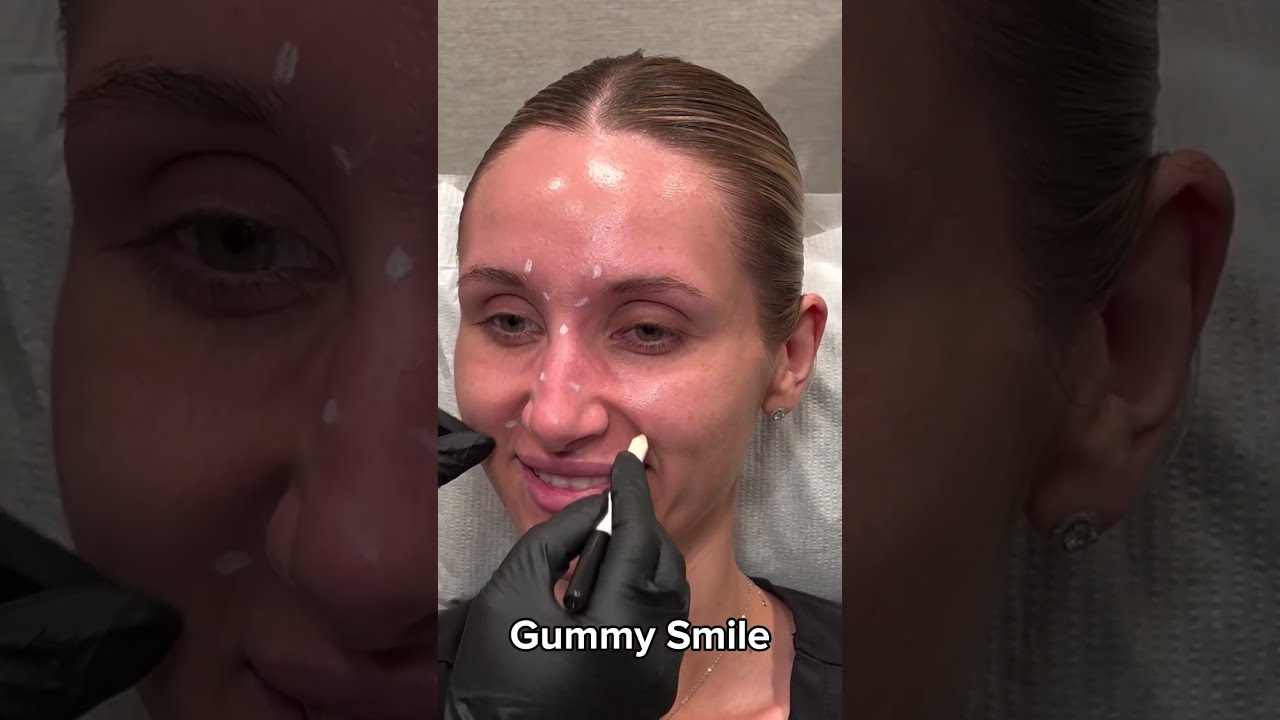
- A professional speaker wants to keep brow lift ability, hates the 11s, and has mild crow’s feet. The plan: conservative forehead dosing, full but balanced glabellar treatment, and light outer eye softening. We might add a microdose above the tail of the brow for a discreet eyebrow lift botox effect that doesn’t look surprised. A first time botox patient in their late twenties seeks preventative botox, mainly for frown lines. I start small, 8 to 12 units in the glabella, then reassess in two weeks. This preserves a feedback loop. If they like the result but want a touch more smoothing, we add a few units rather than overshooting. A patient with strong masseter muscles from bruxism asks about facial slimming. Masseter botox can reduce clenching, soften the square jawline, and help with TMJ symptoms. I use staged dosing over two to three sessions, with intervals of 8 to 12 weeks at first, then 4 to 6 months for maintenance. Some patients notice early chewing fatigue that resolves in a week, so I advise food choices accordingly. Someone worried about a gummy smile wants a lip flip botox effect without losing lip function. Here we microdose the elevator muscles of the upper lip. Done well, it shows a little more pink lip on smile, with less gum display. Overdo it and speech or sipping from a straw can feel off for a few weeks. This is where restraint matters. For neck rejuvenation, platysmal bands respond to neck botox carefully placed along the bands. It can smooth neck tension and soften vertical cords. If skin laxity is the primary concern, I explain that botox for sagging skin has limits and that tightening devices or collagen-stimulating treatments may be better.
Timing, onset, and the rhythm of maintenance
People often ask how soon does botox work and when does botox start working. You may see gentle changes within 2 to 3 days, with full botox results at around 10 to 14 days. A follow up at two weeks is ideal for your first visit or after any change in plan, because it allows precise refinements while the pattern is still adaptable.
How long does botox last varies by area and metabolism. Crow’s feet and forehead lines tend to hold for 3 to 4 months. Masseter botox often lasts 4 to 6 months, sometimes longer after a few rounds as muscles weaken slightly. Athletes and fast metabolizers may notice a shorter duration. Heat exposure, saunas, and very intense exercise in the first 24 hours can also affect the early diffusion. The phrase when does botox wear off is less helpful than thinking in terms of a curve. Movement returns gradually, not all at once, and smart botox maintenance schedules your next visit before full movement returns to prevent deep creases from reasserting.
If you like a steady look, plan on how often to get botox about every 3 to botox Allure Medical 4 months for most facial areas. If you prefer a slow fade or are budgeting, twice a year can still make a meaningful difference, especially for frown lines.
Cost, units, and value without gimmicks
People search for botox deals or botox near me for wrinkles, then face a maze of pricing models. Clinics quote botox pricing per unit or botox cost per area. Per unit pricing makes sense when customization is the goal, because you pay for the exact dose used. Per area pricing can work if the clinic defines ranges that allow for adjustment, but rigid area packages sometimes lead to cookie cutter dosing.
As of recent averages in many U.S. cities, botox cost per area might range from a few hundred to close to a thousand dollars depending on complexity and geography. Pricing per unit often falls between the low teens to low twenties per unit. Affordable botox is not the same as low quality, but be cautious with steep discounts. Product integrity, injector expertise, and follow up matter more than headline price. Many clinics offer botox package deals or a botox membership that lowers cost over time with consistent care. Ask what is included, whether touch ups are part of the package, and how the clinic handles variability in units.
A quick note on products: Dysport vs Botox and Xeomin vs Botox are common debates. All are FDA approved neuromodulators with similar outcomes in skilled hands. Diffusion profiles and dosing units are not interchangeable. Some patients feel one product sets in a day faster or lasts a touch longer. It is reasonable to try different brands under guidance if you are curious, but keep changes systematic so you can compare.
Safety, side effects, and who should avoid treatment
Is botox safe is a fair question. When properly diluted and injected by a trained professional, botox cosmetic treatment has a strong safety record. Common, mild side effects include pinpoint bruising, small bumps at injection sites that settle within an hour, and a brief headache in a small percentage of patients. Less common events include eyelid or brow ptosis when product diffuses into unintended muscles. This risk falls with careful placement, correct dosing, and sensible aftercare.
Who should delay or avoid botox? People who are pregnant or breastfeeding should wait. Those with active skin infection at the injection site must clear it first. Certain neuromuscular conditions warrant caution or avoidance, and anyone with a prior adverse reaction should discuss it in detail. If you are scheduling same day botox around a major event, give yourself a margin of a couple of weeks in case you need a subtle adjustment.
Aftercare that protects your result
Your part of the plan begins right after the appointment. You can usually go back to work immediately. Makeup can go on after the pinpoints close, usually within an hour. Bruising risk is lower if you avoid strenuous activity that increases blood flow to the face that day.
Here is a short aftercare checklist you can screenshot:
- Stay upright for four hours after treatment. Skip heavy workouts, hot yoga, saunas, and facials for 24 hours. Avoid rubbing or massaging the treated areas for the first day. If you get a headache, acetaminophen is usually fine; avoid blood-thinning painkillers unless prescribed. Plan your botox touch up visit 10 to 14 days after a new plan so you can fine tune.
Patients often ask can you work out after botox or can you drink after botox. Light walking is fine. Save sprints and heated classes for the next day. A small glass of wine with dinner is unlikely to ruin results, but excess alcohol the same day can increase bruising.
Advanced techniques that elevate subtlety
Experienced injectors use advanced botox techniques to avoid a stamped look. Micro botox, sometimes called mesobotox when placed very superficially, sprinkles tiny droplets across oily or pore prone zones, especially on the nose or midface. It can improve skin sheen and perceived pore size without flattening expression. For patients bothered by bunny lines that appear across the nose when smiling, two precise points on the nasalis smooth the scrunch without altering the smile itself.
Chin dimpling, often called an orange peel chin, responds to microdoses in the mentalis muscle. The trick is to soften the dimples without dropping the lower lip, so dosing and depth matter. For botox for eyebrow wrinkles, balancing the glabella and lateral frontalis avoids the angry or surprised look. A non surgical brow lift botox approach nudges brow tails up by a millimeter or two, enough to open the eyes without broadcasting that anything was done.
Jawline botox is a looser term and can refer to treating the depressor anguli oris to lift a downturned mouth corner, the platysma to decrease neck pull on the jawline, or the masseters for facial slimming. Each has a different injection pattern and risk profile. Precision is what keeps speech and eating natural while improving contour.
Special situations: men, oily skin, migraines, and sweating
More men are finding their way to clinics for brotox for men, often seeking softening rather than erasing lines. Male anatomy typically features a broader frontalis and stronger corrugators, which means units can be higher. The aesthetic target is also different. Men often prefer a flatter brow and a hint of movement left intact. I always ask male patients to raise their brows like they do when reacting in conversation. We aim to keep that ability.
Patients who struggle with oil and shine sometimes ask about botox for oily skin or botox for pore reduction. Superficial microdroplet techniques can help reduce sebum in targeted areas, particularly the T-zone. This is an off-label use and should be approached carefully to avoid overly stiffening the midface.
Medical indications change the conversation. Botox for migraines has a protocol that maps injections across the scalp, temples, neck, and shoulders at set intervals. Relief typically builds over cycles. For hyperhidrosis botox treatment, the underarms respond well, with dryness lasting 4 to 9 months on average. Palms and soles also respond but can be more sensitive during injection, so numbing and patient comfort planning matter.
Expectations, photography, and the value of a baseline
Patients who keep a consistent schedule and photograph their botox before and after in the same lighting and expression find it easier to judge results. Memory is unreliable. You may forget how deep your frown lines were or how asymmetric your smile pulled. With consistent photos, you can target a personalized botox plan that evolves toward exactly what you want. A few patients like subtleties so much they are surprised when they see the clear change side by side.
If your goals change, the plan can change. If you decide to go for a softer, more lifted brow during winter photos, we adjust. If you are acting in a role that needs more expressiveness, we back off on the forehead and emphasize the crow’s feet only.
When botox is not the answer
Part of customization is knowing when to say no. If heavy upper eyelid skin is the problem, not an overactive brow, botox may deepen the hooding instead of helping. If etched smile lines stem from volume loss and skin laxity, fillers or energy devices form a better plan. If you want to fix sagging skin at the jawline, neuromodulators alone cannot create lift. The best botox doctor is one who tells you plainly what botox can and cannot do, and then builds a plan that includes the right tools at the right time.
Choosing the right clinic and injector
You want a partner, not just a provider. The best botox clinic invites conversation. They ask how you use your face, not just where you see lines. They do not rush your botox consultation questions. They explain trade offs of dysport vs botox or xeomin vs botox without bias. They chart in detail, not just “forehead 20.” They map your injection sites each visit and compare photos. They offer a clear path for botox maintenance, and they book follow ups. They do not pressure with one day botox deals that undermine thoughtful dosing.
Read botox patient reviews, but look for specifics rather than general praise. Comments about balanced results, natural movement, and attentive follow up are good signs. Ask to see examples that approximate your age, gender, and anatomy. What looks “natural” on your friend might not suit your face.
Frequently asked timing and lifestyle nuances
If you are training for a race, schedule your visit on a rest day and avoid headstands, inversions, or vigorous intervals afterward. If you have travel planned, know that flying the same day is fine, but stick to the aftercare basics. If you have a dental appointment that involves prolonged mouth opening, consider spacing botox around the lower face at least a few days away to avoid altered diffusion.
If you are pregnant or trying, wait. If you are on antibiotics for a sinus infection or have a cold sore outbreak near the treatment area, reschedule. If you have a big event, book your botox appointment 3 to 4 weeks prior, so you have time for a fine tune.
How a plan evolves over a year
A thoughtful, personalized botox plan often starts conservatively, builds in a two week check, and observes how you feel at 8 to 12 weeks. After two or three cycles, we know your pattern. If we see that crow’s feet return first, we schedule those a touch earlier. If your forehead stays smooth but you miss a bit more expression for meetings, we adjust placement, not just units. If your masseter botox holds longer, we extend that interval to 6 months and save cost.
A few patients benefit from seasonal strategies. In summer, with more squinting and outdoor time, the outer eyes may need more attention. In winter, when indoor heaters dry skin and highlight texture, a blend of micro botox and skin treatments can give a rested, even look.
What not to do after botox, and what to do if you are unsure
Most missteps are recoverable. If you accidentally pressed or slept on the area right after treatment, do not panic. Modern formulations are fairly precise. Mention it at your two week visit and your injector can assess if any adjustment is needed. If you feel heavy in one brow, a tiny counterbalancing injection can lift it. If you feel too frozen, we scale back next time. If the effect feels too light, a small top up may help, and next visit’s baseline dose can be slightly higher.
When patients feel anxious, it usually stems from not knowing what to expect over the first few days. The arc is predictable: no change on day one, slight dopamine dip when you wonder if anything happened, then steady softening from day 3 to day 10. By week two, you know the story.
Putting it all together
Personalizing your results means every decision has a reason. Your forehead lines are not just “forehead,” they are a frontalis with a specific shape, strength, and job. Your frown lines are a glabellar complex that needs balance across corrugators, procerus, and depressor fibers. Your crow’s feet frame your smile, and we can soften without dulling joy. If you need medical botox for migraines or botox for excessive sweating, we fold that into a schedule that keeps you comfortable and consistent. If you want baby botox forehead microdosing or a lip flip botox tweak, we map the tiny muscles involved and proceed with care.
A customized botox treatment is not about maximal smoothing. It is about intelligent smoothing that matches your face, your life, and your taste. When you find the right partner, the process becomes routine but never generic. Your plan evolves, your expressions stay yours, and your mirror shows a version of you that looks rested, not altered. That is the hallmark of a personalized botox plan worth keeping.